
What Businesses Should Expect From the Global Economy This Year
In today’s interconnected world, businesses are increasingly influenced by global economic trends. From inflation and interest rates to technological innovation and shifting consumer behavior, companies must remain adaptable to stay competitive. While every year presents its own challenges, this year is expected to bring a mix of opportunities and uncertainties that will shape industries across the globe.
1. Slower but Stable Economic Growth
Many economists expect moderate global economic growth rather than rapid expansion. While some regions are experiencing recovery and investment, others continue to face challenges related to debt, inflation, or geopolitical tensions. Businesses should prepare for steady but cautious market conditions instead of relying on aggressive growth forecasts.
For companies, this means focusing on operational efficiency, cost management, and long-term planning. Organizations that maintain financial discipline while continuing to invest strategically are likely to perform better in uncertain conditions.
2. Inflation and Interest Rates Remain Important Factors
Although inflation has eased in several economies compared to previous years, prices for energy, transportation, and certain raw materials may still remain elevated. Central banks continue to monitor inflation closely, and interest rates may stay higher than businesses became accustomed to over the past decade.
Higher borrowing costs can affect expansion plans, equipment purchases, and investment decisions. Businesses should carefully evaluate financing options and prioritize projects that deliver measurable returns while maintaining healthy cash flow.
3. Technology and Artificial Intelligence Continue to Drive Change
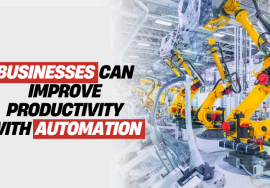
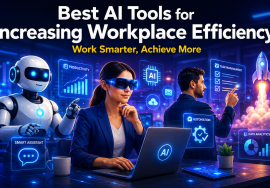
Artificial intelligence (AI), automation, and digital transformation are no longer optional investments for many organizations. Businesses across manufacturing, healthcare, retail, finance, and logistics are adopting AI-powered solutions to improve productivity, reduce costs, and enhance customer experiences.
Companies that embrace digital tools can streamline operations, automate repetitive tasks, analyze market data more effectively, and make faster decisions. At the same time, investing in employee training will remain essential to ensure teams can effectively work alongside emerging technologies.
4. Supply Chain Resilience Is Becoming a Strategic Priority
Recent global disruptions have demonstrated the importance of resilient supply chains. Rather than depending on a single supplier or geographic region, many businesses are diversifying sourcing strategies and strengthening inventory management practices.
Organizations that build flexible supply chains, establish reliable partnerships, and maintain contingency plans will be better prepared to handle unexpected disruptions, whether caused by transportation issues, geopolitical events, or natural disasters.
5. Sustainability Is Influencing Business Decisions
Environmental responsibility is becoming an important consideration for investors, customers, and regulators alike. Businesses are increasingly expected to reduce emissions, improve energy efficiency, minimize waste, and adopt sustainable practices throughout their operations.
Beyond meeting compliance requirements, sustainability initiatives can improve brand reputation, reduce operating costs, and create long-term competitive advantages. Consumers are more likely to support companies that demonstrate genuine commitment to responsible business practices.
6. Changing Consumer Expectations
Consumer preferences continue to evolve rapidly. Customers expect convenience, transparency, personalized experiences, and fast service across both online and offline channels. Digital purchasing habits remain strong, while social media and online reviews significantly influence buying decisions.
Businesses that invest in customer experience, responsive communication, and data-driven personalization are more likely to build lasting relationships and maintain customer loyalty in competitive markets.
7. Workforce Development and Talent Retention
Attracting and retaining skilled employees remains a challenge across many industries. Workers increasingly value career development opportunities, workplace flexibility, and supportive organizational cultures.
Successful businesses are investing in employee training, leadership development, and technology that enables collaboration and productivity. Companies that prioritize workforce engagement often experience lower turnover and stronger long-term performance.
8. Global Trade Opportunities Continue to Expand
Despite occasional trade tensions and policy changes, international markets continue to offer significant growth opportunities. Businesses that diversify export markets or establish partnerships in emerging economies may benefit from expanding demand and reduced dependence on domestic markets.
Understanding local regulations, cultural preferences, and market conditions will remain critical for organizations seeking international expansion.