
How AI Is Changing Small Businesses in 2026
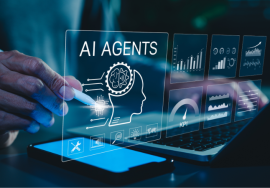
Artificial Intelligence (AI) is no longer a technology reserved for large corporations with massive budgets. In 2026, AI has become an accessible and practical tool for small businesses looking to improve efficiency, reduce costs, and deliver better customer experiences. From automating repetitive tasks to generating valuable insights from data, AI is transforming the way entrepreneurs operate and compete in an increasingly digital marketplace.
As competition grows and customer expectations continue to evolve, small businesses that embrace AI are gaining a significant advantage. The technology is helping companies streamline operations, make smarter decisions, and unlock new opportunities for growth.
Automating Everyday Tasks
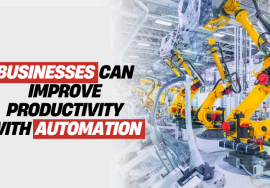
One of the biggest ways AI is changing small businesses is through automation. Administrative tasks such as scheduling appointments, managing emails, processing invoices, and organizing documents can now be handled by AI-powered software. This allows business owners and employees to spend less time on repetitive work and more time focusing on strategic initiatives.
Automation also reduces the likelihood of human error and ensures that routine processes are completed quickly and consistently. For businesses with limited staff and resources, this can lead to significant productivity gains.
Improving Customer Service
Customer service has become faster and more efficient with the help of AI-powered chatbots and virtual assistants. These systems can answer frequently asked questions, guide customers through purchases, provide order updates, and offer support around the clock.
By handling common inquiries automatically, AI enables customer service teams to focus on more complex issues that require human expertise. The result is shorter response times, improved customer satisfaction, and enhanced brand loyalty without substantially increasing staffing costs.
Smarter Marketing and Sales
Marketing is another area where AI is making a remarkable impact. Small businesses can now analyze customer behavior, identify buying patterns, and create highly targeted campaigns using AI-driven tools. Instead of relying on broad advertising strategies, businesses can personalize content and promotions based on customer interests and preferences.
AI also helps optimize email campaigns, social media posts, and online advertisements by recommending the best times to publish content and identifying the audiences most likely to engage. This data-driven approach improves marketing efficiency while maximizing return on investment.
Better Decision-Making Through Data Analysis
Small businesses generate valuable data every day, but interpreting that information manually can be time-consuming and challenging. AI-powered analytics tools can process large amounts of data quickly, revealing trends and insights that might otherwise go unnoticed.
Business owners can use these insights to forecast demand, manage inventory more effectively, evaluate sales performance, and make informed strategic decisions. Rather than relying solely on intuition, leaders can base their actions on accurate and timely information.
Enhancing Financial Management
AI is also improving financial operations by assisting with bookkeeping, expense tracking, budgeting, and cash flow analysis. Many accounting platforms now include intelligent features that categorize transactions, detect unusual spending patterns, and generate financial reports automatically.
Some AI systems can even predict future cash flow based on historical data, helping businesses prepare for seasonal fluctuations or unexpected expenses. This level of financial visibility supports stronger planning and reduces operational risks.
Supporting Human Creativity Instead of Replacing It
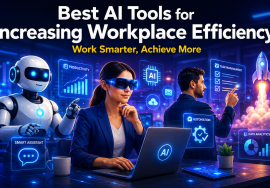
A common misconception is that AI will replace employees entirely. In reality, for many small businesses, AI serves as a productivity tool that complements human skills rather than replacing them. Employees can use AI to draft content, summarize information, generate ideas, and complete research more efficiently.
Creative professionals, marketers, designers, and consultants often combine AI-generated suggestions with their own expertise to produce higher-quality work in less time. Human judgment, critical thinking, and relationship-building remain essential components of successful businesses.
Challenges and Responsible Implementation
Despite its benefits, adopting AI also presents challenges. Data privacy, cybersecurity, and ethical considerations require careful attention. Businesses must ensure that customer information is handled responsibly and that AI-generated outputs are reviewed for accuracy before being used in important decisions.
Employee training is equally important. Organizations that educate their teams on how to use AI effectively are more likely to achieve positive outcomes while minimizing potential risks.
Staying Competitive in a Digital Economy
As AI technologies become more affordable and user-friendly, they are leveling the playing field for small businesses. Companies that once struggled to compete with larger organizations can now access sophisticated tools for marketing, customer service, analytics, and operations without making massive investments.
By integrating AI into everyday workflows, small businesses can respond more quickly to market changes, improve operational efficiency, and deliver better experiences for customers. Those that remain open to innovation are better positioned to adapt to evolving industry trends and seize new opportunities.