
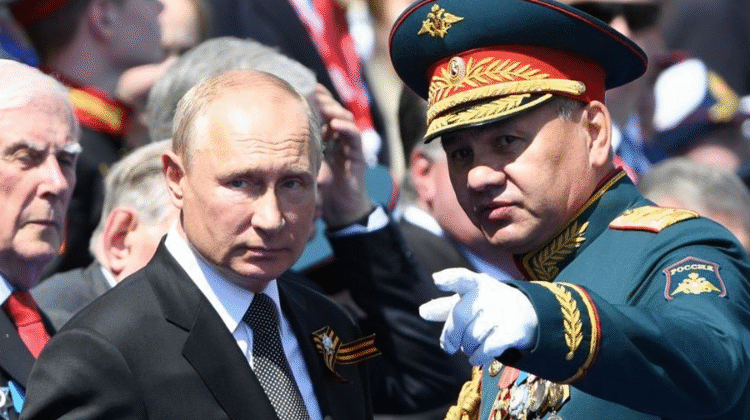
Putin Spurns Western Security in Ukraine, Threatens Foreign Troops Would Be Targets
Russian President Vladimir Putin has again ratcheted up tensions over the conflict in Ukraine by resoundingly rejecting Western security offers to Kyiv and threatening that any presence of foreign troops on Ukrainian territory would be considered “legitimate targets” for Russian military forces. In his address on September 5, 2025, at the Eastern Economic Forum in Vladivostok, Putin rejected the West’s recent vow to create a multinational “reassurance force” for Ukraine, terming it as a naked challenge to Russian sovereignty and stability in the region. His statement comes as diplomatic posturing and military action alike continue to be extremely sensitive, and they highlight the growing divide between Moscow and Western capitals on the future security architecture in Eastern Europe.
The direct impetus for Putin’s warning came from the summit in Paris earlier this week, where leaders from 26 nations, dominated by France and the United Kingdom, agreed on a plan to establish an alliance willing to send forces by land, sea, or air into Ukraine. Whereas the Western initiative was presented as a guarantee of the longevity of any final peace agreement, it was evident that involved countries also wanted to make a long-term message about defending and rebuilding Ukraine. French President Emmanuel Macron painted the coalition as necessary for guarding stability after the conflict subsides, and asserted that Europe simply could not leave Ukraine exposed after war.
Putin, nonetheless, defined the initiative as a provocation and dismissed the idea that foreign security forces would ever serve to bring peace to Ukraine. “If they make decisions that result in peace, then I quite literally cannot see any point in their being there on Ukraine’s territory, full stop,” he said, going on to explain that if Western troops arrived when there was active fighting, they would straight away be considered targets for the Russian forces. His language served to emphasize Moscow’s line that some kind of Western military presence close to Russia’s borders is an intolerable security threat.
The Kremlin backed up this position through spokesperson Dmitry Peskov, who curtly declared that the Paris initiative was “definitely not” palatable to Moscow. Peskov contended that any genuine peace framework must be rooted in legally binding treaties, instead of verbal promises or ad hoc alliances. He also averred that the introduction of Western forces into Ukraine—even in the guise of peacekeeping—would represent a red line, potentially leading to direct conflict between Russia and NATO-aligned militaries.
Interestingly, if Europe has been moving forward with the notion of a reassurance force, the United States has been more reserved. Already, U.S. President Donald Trump has excluded sending American ground troops to Ukraine, but Washington can provide help in terms of intelligence sharing, air defense, and logistics. Analysts say this hesitation is driven by both home political calculations in the U.S. and a wider fear of being pulled into a direct confrontation with Russia. Nevertheless, Washington’s ongoing provision of advanced arms and surveillance technology to Ukraine continues to put it at the center of Kyiv’s defense strategy.
For Ukraine, though, the Western proposal is a lifeline. President Volodymyr Zelenskyy greeted the proposal and called for it to be implemented rapidly, emphasizing that Ukraine needs guarantees of security “now, in the middle of the war—not after.” Delay or equivocation in setting up these safeguarding arrangements from Kyiv’s point of view would only serve to encourage Russia and extend the conflict. Zelenskyy has steadfastly maintained that only binding and enforceable commitments at the international level can keep Ukraine from being the target of increased aggression in the future.
The precipitous split between Russian warnings and Ukrainian appeals underscores the increasing sophistication of the conflict. To one group of governments, including those in Western Europe and North America, a reassurance force represents a deterrent that would stabilize Ukraine in the delicate transition from war to peace. To another, dominated by Moscow, such action constitutes a direct infringement on its sphere of influence and a potential pretext for expanding its military action. Experts warn that if not properly contained, such rival narratives have the potential to derail already shaky talks and broaden the war into a wider East-West conflict.
Overall, Putin’s dismissal of Western security assurances and his warning to aim at foreign troops highlight the difficulties of finding a lasting settlement in Ukraine. While European leaders and Ukraine urge an immediate move to shore up post-war stability, Moscow maintains that this is not needed and is an act of provocation. The United States, in turn, is still weighing its involvement, sensitive to precipitating escalation with Russia but not wanting to abandon Ukraine. As the war continues with no end in sight, the issue of international security assurances is among the most controversial ones—and one which could well decide the course of the conflict over the next few months.