
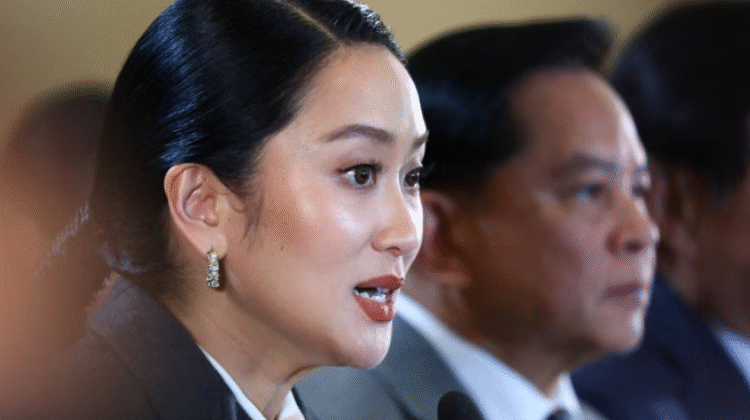
Thai Constitutional Court Ousts PM Paetongtarn Shinawatra Due to Ethics Violation
Bangkok, August 29, 2025 — In a ruling today that signals a watershed moment, Thailand’s Constitutional Court has ousted Prime Minister Paetongtarn Shinawatra from her post due to a grave ethics violation. This sudden termination of her premiership—lasting only around one year—is yet another setback for the Shinawatra political clan.
The Leaked Call That Initiated a Crisis;
The spotlight of the court’s decision fell on a contentious phone conversation between Paetongtarn and Cambodia’s ousted leader, Hun Sen, in June. She addressed Hun Sen as “uncle” on the call, promised to “take care of anything you need,” and called out a senior Thai army commander, calling him part of the “opposing side.” The telephone conversation, aimed at de-escalating tensions in the wake of a border row, was leaked by Hun Sen and soon went viral, triggering public indignation. Critics accused Paetongtarn of giving more weight to personal relationships and political image than to national interest and prestige. Legal Proceedings: Suspension to Dismissal. On 1 July 2025, Paetongtarn was suspended by the Constitutional Court pending a ruling, citing violation of ethical conduct, following receipt of a petition supported by 36 senators. While in suspension, Deputy Prime Minister Suriya Juangroongruangkit took over initially in her capacity, then Phumtham Wechayachai—who became the official Acting Prime Minister on 3 July.
Court Ruling and Its Implications;
The current ruling, decided 6–3, determined that Paetongtarn “put personal interest ahead of national concern,” thus undermining public confidence and sulllying the integrity of the office. The ruling by the court is final—irreversible and reflective of the strong hand that the judiciary wields over Thai politics.
Political Fallout and What Comes Next;
Paetongtarn’s ouster further aggravates the instability in Thailand’s politics, stained by the successive overtures of Shinawatra-allied figures. In the last two decades, she is the sixth Shinawatra-associated figure to be removed through judicial or military intervention.
The process of choosing a new prime minister is now in motion with parliament being called to choose a successor from among candidates who are qualified to run. The Pheu Thai Party has only one contender left to run—77-year-old Chaikasem Nitisiri, a past attorney general who doesn’t have much political stature. Other possible runners are retired coup leader Prayuth Chan-o-cha, Anutin Charnvirakul (who just bowed out of the coalition), and others.
The caretaker duties have been left to Acting Prime Minister Phumtham Wechayachai and the current cabinet. Their acting government will hold position until a new prime minister is selected, without any constitutional obligation to act immediately.
A Tense Political and Economic Backdrop;
This shake-up of power adds to mounting insecurity in Thailand. The Pheu Thai coalition today is left broken after the withdrawal of support by the Bhumjaithai Party following the scandal. Analysts anticipate prolonged negotiations, potential infighting, and a slow decision-making process.
Economically, the economy is still precarious. Thailand’s central bank sees sluggish growth—a paltry 2.3% rise for 2025—raising fears on investor confidence, reforms, and political stability.
Overall, the removal of Prime Minister Paetongtarn Shinawatra represents a watershed moment in Thailand’s political drama—highlighting the contentious intermixture of judiciary authority, dynastic politics, and national integrity. As factions jockey to occupy the prime ministerial vacancy, the country waits with bated breath for an uncertain and potentially volatile trajectory forward.