
Istanbul Talks Focus on Ending Cross-Border Terrorism: Pakistan’s Demand to the Afghan Taliban
High Stakes and Heavy Pressure
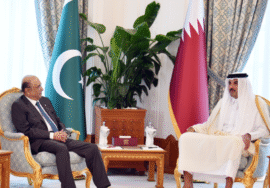
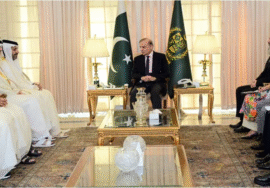
The latest diplomatic engagement in Istanbul, convened under the mediation of Doha’s host of regional peacemakers, marks a critical moment for relations between Islamabad and the regime of the Taliban in Kabul. As always, the demand by Islamabad is clear: Afghan territory must no longer serve as a launchpad for insurgent attacks against Pakistan. With the focus on groups like the Tehrik‑e‑Taliban Pakistan, Pakistan’s delegation has presented what it called “irrefutable evidence” of cross-border militant sanctuaries, and is pressing Kabul to move beyond rhetoric to action. In Pakistan’s security establishment’s view, the talks mark a final window for dialogue; the alternative to reaching a meaningful consensus would be confrontation.
The Core Demand: No Terror from Afghan Soil
At the core of Islamabad’s negotiating position lies one non-negotiable: Afghan soil should not serve as a site for terrorist actions against Pakistan. In Istanbul, Pakistani officials insisted time and again that there is a limit to their longstanding patience. They called for an agreement with very specific and verifiable measures-and not just promises-that militant groups would be prevented from carrying out attacks from Afghan territory. The insistence is tied to a broader Pakistani view that the Taliban regime in Kabul has to take responsibility for not allowing its territory to be used by forces hostile to Pakistan. In the Pakistani view, the mere presence of the TTP inside Afghanistan is not only intolerable but also upsets any hopeful narrative of mutually respectful neighborly relations.
Talks, Mediation, and Tentative Ceasefire
A recent Istanbul round follows a ceasefire reached in Doha after a surge of deadly border clashes in early October. In the Doha talks mediated by Qatar and Turkey, Pakistan and the Taliban-run Afghan regime agreed on a truce and promised to take negotiations to Istanbul. The Istanbul round is intended to convert the ceasefire into a monitoring and verification mechanism — a system that would identify violations, impose penalties, and maintain peace. Led by senior military and intelligence figures, Pakistan’s delegation is joined by the Taliban representatives, yet the public mood is cautious: progress has been limited and differences appear deep.
Impasse, Frustration, and the Risk of Escalation
Despite the efforts, the Istanbul process has encountered serious roadblocks. Pakistani officials have accused the Taliban delegation of dodging the “core issue” — the elimination of militant sanctuaries and actionable counter-terror steps. Instead, they say, talks repeatedly sidestepped around definitions and conditions. For example, while Pakistan demanded the TTP be neutralized, the Taliban side offered relocation of elements rather than dismantlement — a proposal Islamabad rejected as unacceptable. Pakistani ministers have gone so far as to warn of “open conflict” if meaningful progress is not made. The frustration in Islamabad is palpable: decades of dialogue, repeated cross-border attacks, and now what is seen as another missed opportunity to secure Pakistan’s frontier.
Diverging Narratives and Trust Deficit
The stalemate in Istanbul owes much to diverging narratives between Pakistan and the Afghan Taliban. While Pakistan emphasizes evidence and accountability, wanting guarantees and mechanisms, the Taliban side insists on sovereignty, non-interference, and their inability-which they claim-to control all militant actors. The Afghan delegation referred to Pakistan respecting its airspace and borders in turn, reflecting the broader asymmetry of demands. Observers say the Taliban representatives seem constrained, checking back with Kabul often, rather than negotiating independently, and Pakistan says that this delegation has deferred the decisions once again. The result is a trust deficit that mediators fear could undo the ceasefire and precipitate a return to wider violence.
Regional Impact and Strategic Implications
The outcome of Istanbul is not merely significant for Pakistan-Afghanistan bilateral relations but also for regional stability. Continued cross-border terrorism has undermined the internal security of Pakistan, bled its economy, and perpetuated vicious cycles of retaliation. For Afghanistan, still under the Taliban, this cooperation impacts its international legitimacy, humanitarian access, and relations with its neighbors. Such mediation by Turkey and Qatar underlines the wider regional concern in the Gulf and Middle East about the spill-over of conflict, militant sanctuaries, and fragile state borders. If no mechanism is agreed upon, the risk of renewed hostilities, trade disruptions, and refugee flows looms large.
What Happens Next?
The two sides have promised another meeting in Istanbul, hoping to finalize the modalities of a monitoring, verification, and penalty mechanism for the ceasefire. Pakistan has indicated that it will not continue with interminable negotiations without any real guarantees – either some practical pledges or an actual shift to proactive security moves. For their part, the Taliban must balance the diplomatic cost of seeming intransigent against domestic imperatives and pressure from regional forces. Meanwhile, Pakistani military operations along the border remain at a state of high alert, while the Afghan side has publicly committed itself to diplomacy — but not without caveats.